Singapore has no shortage of gym options, from ActiveSG facilities and 24-hour gyms spread across the island to boutique studios and personal training gyms in the CBD and beyond. But what it doesn’t always have is a clear guide for people who’ve never set foot in one before. If your first gym session is coming up and you’re not quite sure what to expect, what to bring, or where to start, this is the guide that fills in the gaps.
Need a little help getting started? Take the shortcut—our personal trainers can make the transition from first-timer to regular gym-goer a whole lot easier. Book a PT trial to get a feel for what training with us is like before deciding on your next step.

What to Expect on Your First Visit to a Gym
Checking In and Getting Around
Most gyms in Singapore require you to check in at the front desk or scan a membership card or QR code at the entrance. Staff are usually on hand for questions, and a short orientation is sometimes offered to new members. If you’re not sure where something is, ask. Nobody is too busy to point you towards the free weights.
Changing Rooms, Lockers and Other Facilities
Most gym facilities in Singapore include changing rooms, lockers and showers. Lockers sometimes require a coin deposit, so do check in advance. Some gyms also offer towel rental or vending machines for forgotten essentials. Arriving a few minutes early on your first visit gives you time to find your way around without feeling rushed.
Don’t Worry About Knowing How Everything Works
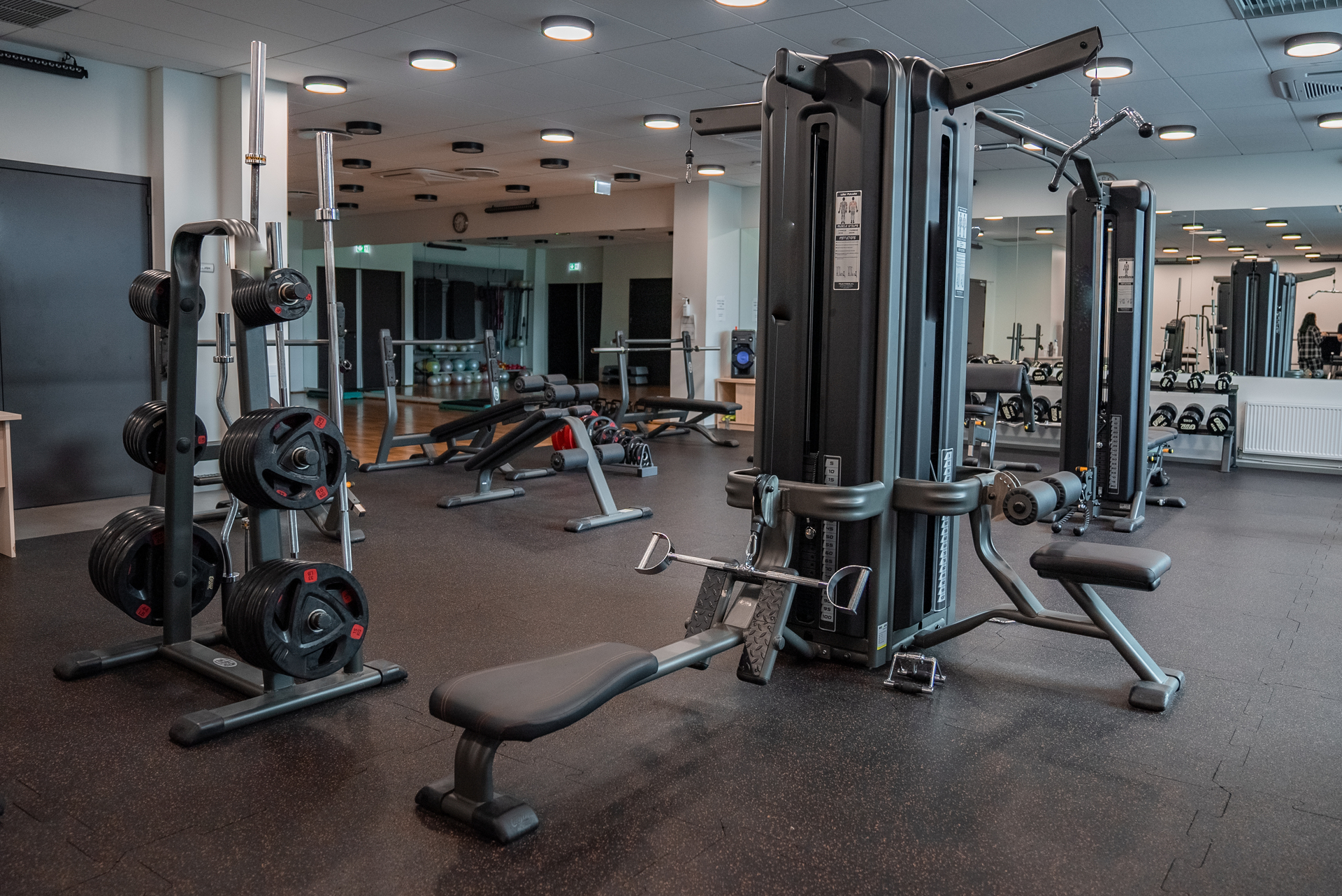
First time on the gym floor? It’s a whole new world. But most machines have instructional diagrams printed directly on them, and gym staff are there to help if something isn’t clear. Nobody expects a first-timer to walk in knowing how to operate every piece of equipment. Working out what to use and how to use it is a natural part of the process. If you’re worried, check our guide on the most misused pieces of gym equipment—and how to use them right.
Of course, there’s a difference between figuring out a machine on your own and having someone walk you through it properly. If you’d rather have a little guidance from the start, getting to know FITLUC’s personal trainers is a good place to begin. Having an experienced pair of eyes on your technique can take a lot of the guesswork (and pressure!) out of those first few sessions.

What Should You Bring to the Gym?
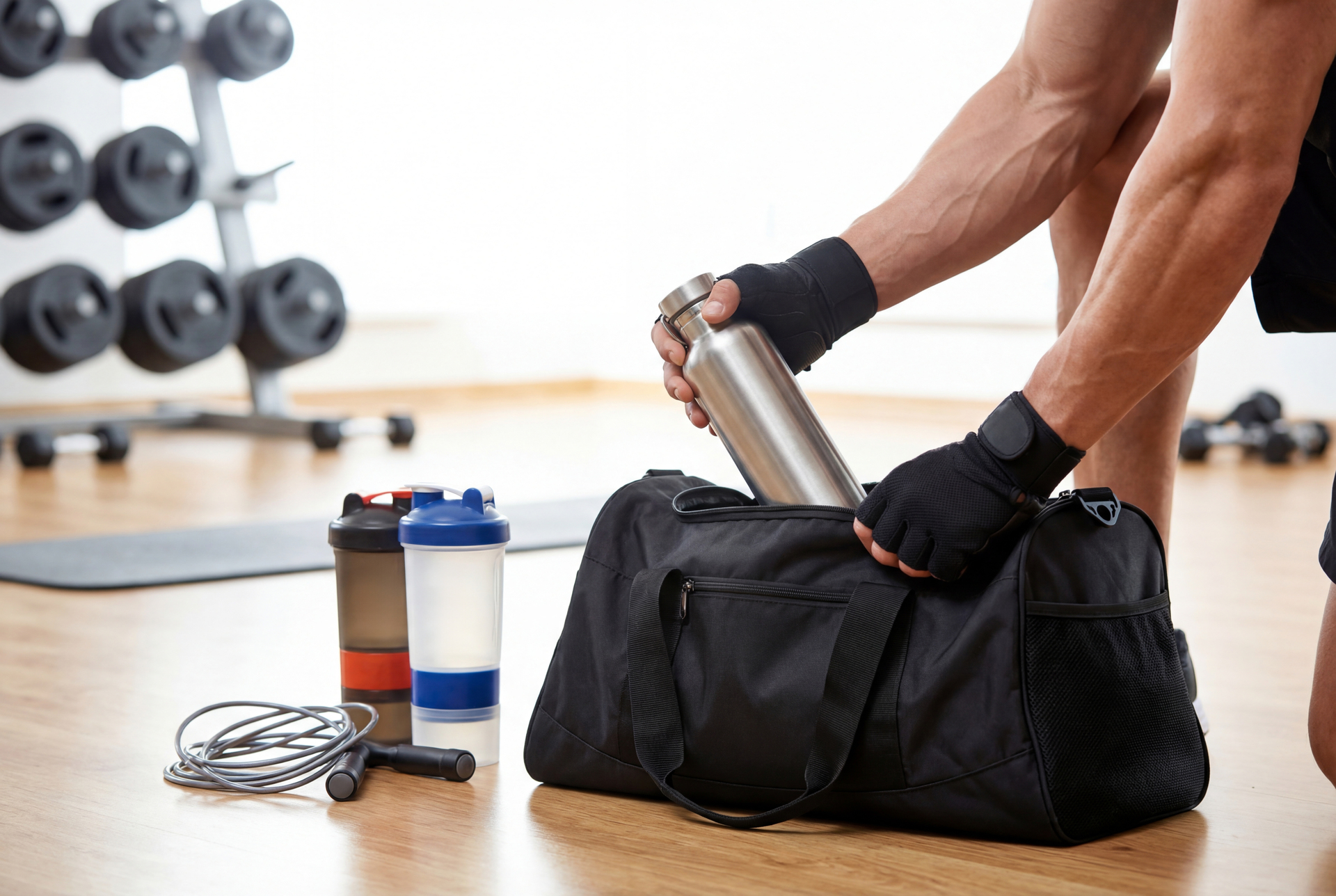
A few basics will make the experience more comfortable. Most gyms in Singapore require closed-toe shoes on the gym floor, while some have a strict no-open-footwear policy.
- Workout shoes with proper support (not sandals or slippers)
- Clothes suitable for exercise
- A water bottle, to stay hydrated
- A small towel for wiping down equipment after use
- Earphones if you prefer to train with your own music
- Your membership card, app or QR code for check-in
Basic Gym Etiquette Every Beginner Should Know
Gyms run on a set of unwritten rules that make the space work for everyone. Most of them are common sense, but knowing them in advance saves the awkwardness of learning on the fly.
- Wipe down equipment after use with the cleaning spray and paper towels provided
- Re-rack your weights after each exercise, returning them to the correct position on the rack
- Don’t occupy equipment you’re not actively using, especially during busy periods
- Avoid long phone calls on the gym floor, keeping conversation brief and volume low
- Give people space, especially when they’re mid-set or using mirrors to check their form
- Ask before working in on a piece of equipment if someone appears to be using it between sets
- Keep bags and personal items in a locker rather than on the gym floor where they become a hazard
Where Should a Beginner Start in the Gym?
Start With a Short Warm-Up
5 to 10 minutes on a treadmill, stationary bike or rowing machine at a comfortable pace raises the heart rate, increases blood flow to the muscles and prepares the body for the work ahead. Skipping the warm-up is one of the more common beginner mistakes, and the body tends to let you know about it the following morning.
Get Familiar With Basic Gym Machines
Machines are a good starting point for beginners because they guide movement through a fixed range, reducing the technical demand while the body learns the basic patterns. The leg press, chest press, lat pulldown and cable row are all accessible starting points that cover the major muscle groups without requiring a great deal of technique.
Learn a Few Fundamental Strength Exercises
Alongside machines, a small number of fundamental movements form the foundation of most effective training programmes: the squat, deadlift, push-up and the row. Learning these well, even at light weights, builds the base that everything else in the gym sits on top of.
Seasoned gym-goers will tell you the tricky part usually boils down to knowing whether you’re actually performing these movements correctly. This is where gym personal training leaves its mark, giving beginners structured guidance on technique, exercise selection and progression. A little direction early on can save you from spending months locking into the wrong habits. Let us help you start on the right foot:

Finish With a Cool-Down
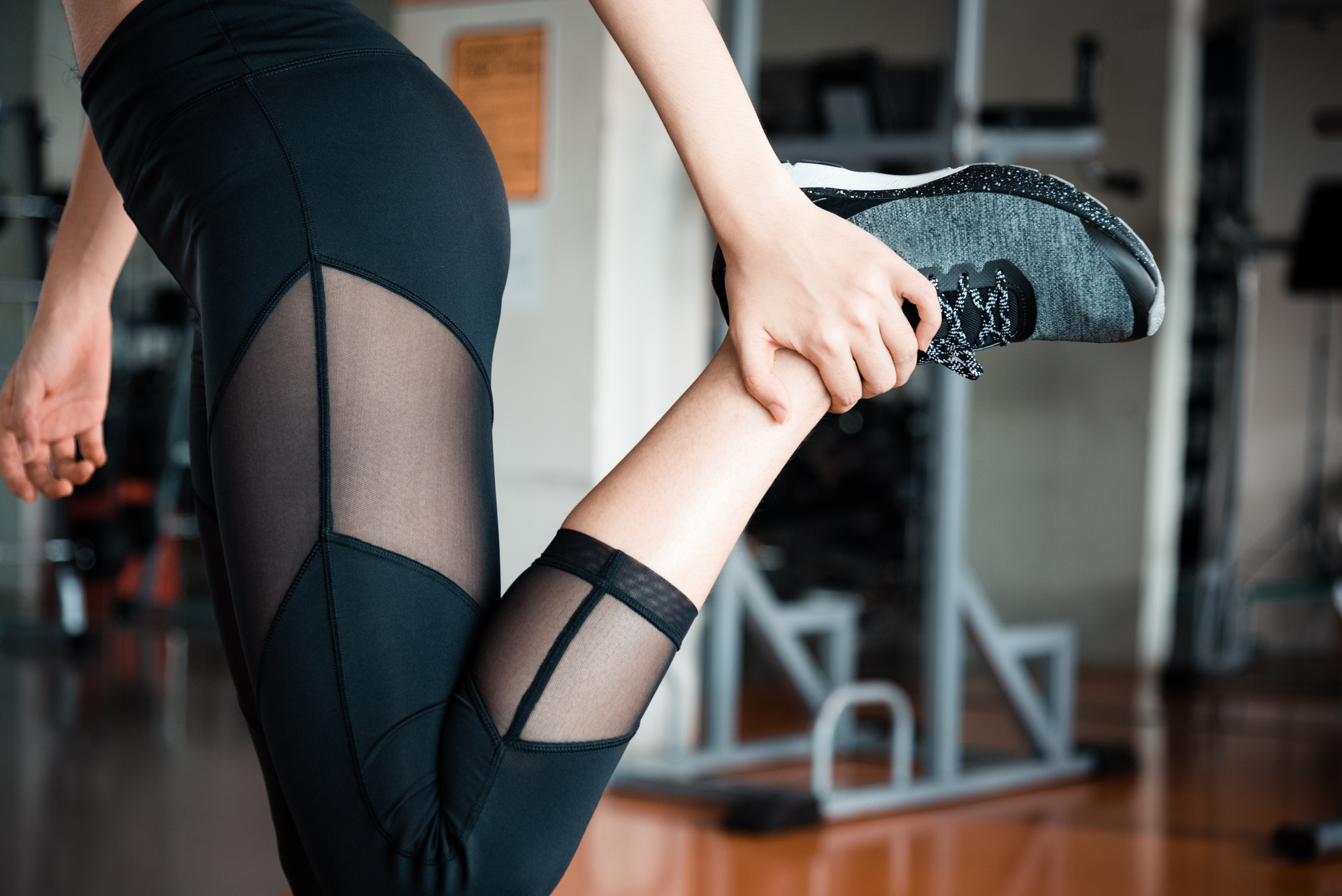
5 minutes of light stretching at the end of a session helps reduce muscle soreness, supports recovery, and brings the heart rate down gradually. It doesn’t need to be elaborate: a few stretches targeting the muscles worked during the session is enough to make a difference by the following day.
A Simple Beginner Gym Workout to Try
For a first session, keep it simple, manageable and repeatable. The goal is to finish feeling like you could do it again. Don’t empty the tank completely.
- Warm-up: 5 to 10 minutes on the treadmill or stationary bike at a comfortable pace
- Dynamic stretching: 3 to 5 minutes of leg swings, arm circles, hip rotations and light bodyweight squats to prepare the joints and muscles
- Leg press: 3 sets of 10 to 12 reps at a light to moderate weight
- Chest press machine: 3 sets of 10 to 12 reps
- Lat pulldown: 3 sets of 10 to 12 reps
- Dumbbell shoulder press: 3 sets of 10 reps at a light weight
- Plank: 3 rounds of 20 to 30 seconds
- Cool-down: 5 minutes of light stretching targeting the legs, chest, and back
How Heavy Should You Lift as a Beginner?
Start Lighter Than You Think You Need
The instinct to test your limits on the first session is understandable and almost universally regretted the next morning. Starting with a weight that feels almost too easy allows you to focus on the movement itself, build the motor patterns correctly and walk out of the gym without needing assistance down the stairs.
Focus on Technique Before Adding Weight
Good technique is what makes strength training safe and effective over the long term, and building it takes deliberate practice at manageable loads. A set of squats performed well at 40kg builds more functional strength than the same number of reps done poorly at 80kg. Plus, and this is a very important plus, the injury risk is considerably lower. Technique first, weight second, always.
Gradually Increase the Difficulty
Once a weight feels consistently manageable across all sets and reps, it’s a signal to increase it slightly, typically by the smallest increment available on the machine or rack. This principle of progressive overload is what produces results over time and is the reason consistent gym-goers keep improving long after the beginner phase.
How Long Should Your First Gym Session Be?
You Don’t Need to Spend Hours at the Gym
A first session of 45 to 60 minutes is more than sufficient to cover a warm-up, a few exercises and a cool-down. Longer sessions don’t automatically produce better results, and for a beginner whose body is encountering new stress for the first time, more is rarely better.
Quality Matters More Than Duration
A focused 45-minute session where every set is performed properly will consistently outperform a 2-hour session that meanders between equipment without a clear plan. Time in the gym is only as valuable as the effort and attention brought to it.
And if making time for the gym feels like another task on an already long to-do list… you don’t have to give up on training altogether. Home personal training is a convenient alternative for those who struggle to fit gym visits into their schedule, bringing structured workouts and professional guidance right to your doorstep. Your trainer can tailor each session to your current fitness level, goals and experience, so even beginners can make progress without having to leave home. Spend less time worrying about the commute and more time actually working towards your goals.
How Often Should Beginners Go to the Gym?
Start With 2-3 Sessions Per Week
Two to three sessions per week gives the body sufficient stimulus to adapt and improve while leaving enough time between sessions for recovery. For most beginners, this frequency can already produce noticeable progress within the first four to six weeks without risking burnout or overtraining.
Give Your Body Time to Recover
Muscle growth and strength development don’t happen during the session itself. Surprisingly, they happen during the recovery period that follows. That is why we often emphasise that rest days are not wasted days. For postpartum mothers looking to train, this philosophy takes on new meaning, too. Having a balance of both movement and rest supports not just physical recovery but also the emotional and hormonal changes that come with it.
Build Consistency Before Adding More Sessions
The most important variable in any beginner’s programme is consistency, showing up regularly over weeks and months rather than training intensively for a short period and stopping. Three sessions per week maintained over three months will produce better results than six sessions per week maintained for three weeks.
Common First-Time Gym Mistakes to Avoid
Most beginner setbacks come from the same handful of errors, all of which are entirely avoidable with a bit of forewarning.
- Skipping the warm-up and going straight into working sets, which increases injury risk and reduces performance
- Lifting too heavy too soon, before the movement patterns are established well enough to handle the load safely
- Copying exercises without understanding the technique, particularly on compound movements like squats and deadlifts
- Comparing yourself to more experienced gym-goers, whose current ability reflects years of consistent training, not a natural starting point
- Doing too much in the first session and arriving to the second one too sore to train effectively
- Not having a plan, which leads to wandering between equipment and leaving without having done much of use
- Giving up after one or two sessions because results aren’t immediately visible, when the real adaptations are still weeks away
Feeling Nervous About Going to the Gym? You’re Not Alone
Gym anxiety is real, and it affects more people than the confident atmosphere of most gym floors would suggest. The feeling that everyone is watching, judging or silently critiquing your form is one of the most common reasons people put off starting. However, it also happens to be one of the least accurate assessments of what’s actually happening in the room. Most people in a gym are focused almost entirely on their own session. Take it from the people who spend their days on the gym floor!
The best remedy for gym anxiety is simply showing up. The first visit is the hardest, the second is noticeably easier, and by the third or fourth session the environment starts to feel familiar instead of foreign. If the prospect of navigating it alone feels like too much, a personal trainer can remove a significant amount of that uncertainty by giving you a plan, teaching you the equipment and making the gym feel like somewhere you belong rather than somewhere you’re still figuring out.
Looking for personal trainers in Singapore? Here are 11 you can trust.
The Gym is Easier With Someone Who’s Got Your Back
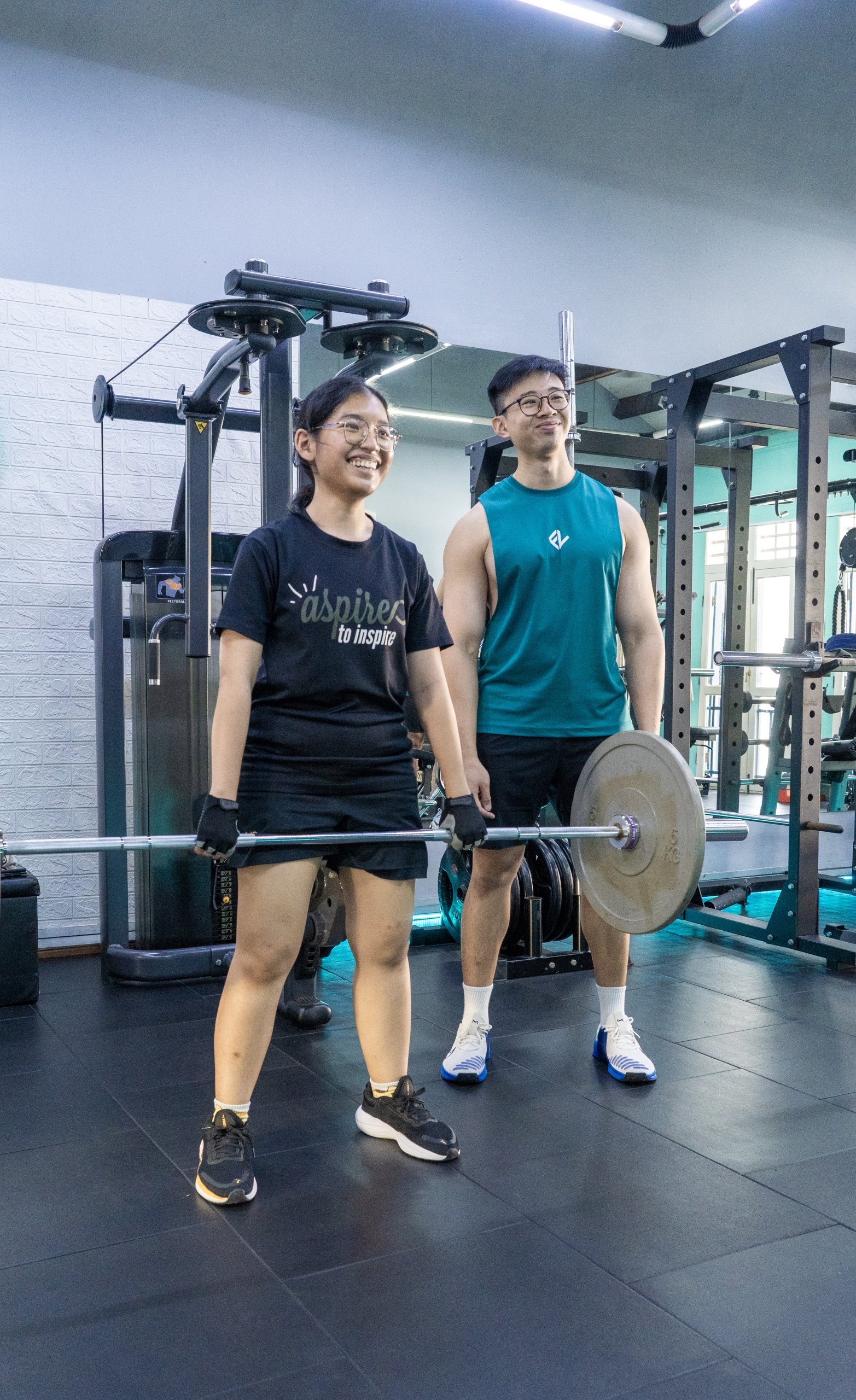
The gym is one of those places that feels intimidating from the outside and surprisingly manageable from the inside, once you’ve had a session or two to find your feet. What shortens that adjustment period considerably is having someone show you around, teach you the movements and put a plan in place so the time spent there is actually working toward something.
FITLUC is a leading fitness gym in Singapore with personal trainers experienced in working with beginners, helping them build confidence, learn proper technique and get results that make the early effort feel worthwhile. If you’re ready to get started, a PT trial is the most sensible first step.
It’s also completely natural to want to know a little more before committing to something new. Have a chat with our team and we’ll be happy to answer any questions you might have.