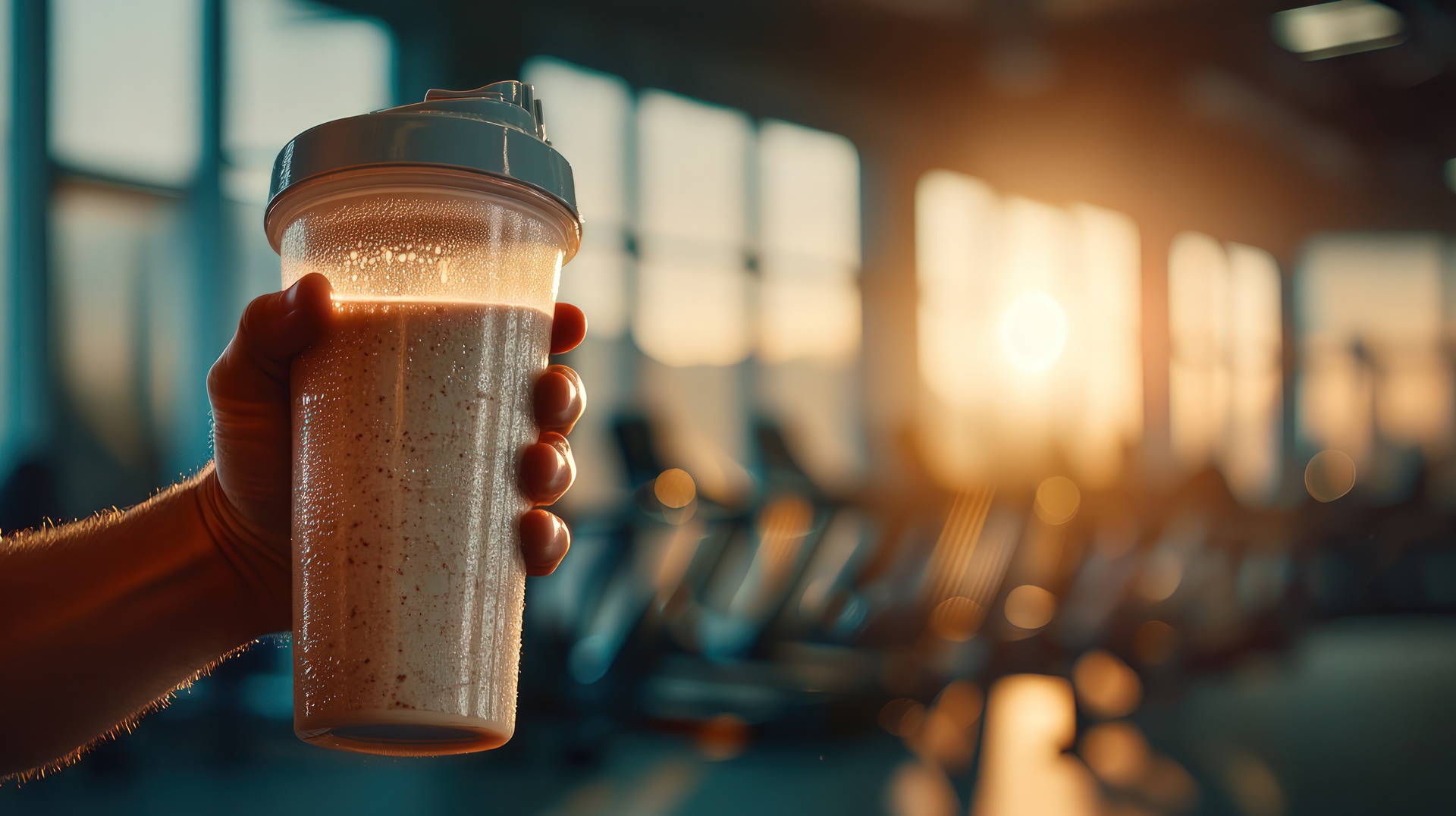
If your social media feed looks anything like most people’s right now, it’s full of protein maxxing content: high-protein grocery hauls, meal prep breakdowns and the occasional video of someone choking down their fourth protein shake of the day in the name of gains. Even fast food chains and ready-to-eat brands are now slapping high-protein labels on everything from burgers to ice cream.
Don’t get us wrong, we’re all for eating well and getting adequate protein. But there’s a difference between awareness and actually knowing your number—and the trend has produced plenty of the former without much of the latter.
Know what your body actually needs instead of looking to the latest protein trend. Book a PT trial with FITLUC to get a clearer picture of your starting point through a body composition assessment, personalised nutrition guidance and a workout customised to your goals.

Why Protein Needs Aren’t One-Size-Fits-All
What Does Protein Do in the Body?
Protein is the primary building material for muscle tissue, but its role goes further than that. It supports immune function, hormone production, enzyme activity and tissue repair throughout the body. Every cell contains protein in some form, and the body is constantly breaking proteins down and rebuilding them. Unlike fat and glycogen, the body has no dedicated storage depot for excess dietary protein. That makes consistent daily protein intake more important than relying on any single high-protein meal.
When the body is under-fuelled, it breaks down muscle tissue to use the amino acids for energy. If you’re trying to avoid that while losing fat, this is worth a read.
Why Your Protein Target Depends on Your Goal
A sedentary person maintaining their weight has different protein requirements from someone training five days a week to build muscle. The key variables are:
- Body weight, since protein needs are calculated per kilogram of bodyweight
- Activity level, since training increases the rate of muscle protein breakdown and synthesis
- Goal, since building muscle, losing fat and maintaining weight each place different demands on protein intake
- Age, since older adults require more protein to maintain muscle mass due to reduced anabolic sensitivity
The Baseline Protein Recommendation
The World Health Organisation recommends a minimum of 0.83 grams of protein per kilogram of bodyweight per day, which is sufficient to prevent deficiency in sedentary individuals. For anyone who trains or has a specific body composition goal, this figure is a floor, not a target. You can find more relevant figures specific to your goal below.
Of course, knowing the recommended range is one thing. Figuring out where you fall within it is another. At FITLUC, our personal trainers bring their knowledge of nutrition science into the picture, helping you understand how your protein intake should support your training, recovery and long-term goals. No need to fuss over every gram. See our credentials here:

Like what you see? If you’re ready to take the next step, we’d love to hear from you! Get in touch with our team for a chat, no strings attached.

How Much Protein Do You Need to Maintain Your Weight and Stay Healthy?
Protein Needs for a Mostly Sedentary Lifestyle
For someone who is largely sedentary and not actively trying to change their body composition, the WHO-recommended minimum of 0.83 grams of protein per kilogram of bodyweight per day is sufficient to maintain basic physiological function and prevent deficiency. Most people eating a balanced diet will land around this figure without needing to track carefully.
Protein Needs for Active Adults
Active adults, meaning anyone exercising two or more times per week at moderate intensity, benefit from a higher intake in the range of 1.2 to 1.6 grams of protein per kilogram of bodyweight per day. Exercise increases muscle protein breakdown, and adequate intake ensures the body has what it needs to repair and maintain lean muscle tissue.
A Simple Example by Body Weight
To use this table, take your body weight in kilograms and multiply it by your target figure, which sits between 1.2 and 1.6 grams per kilogram depending on your activity level. The result is your daily protein target in grams, meaning the total grams of protein to consume across all meals, not the weight of the food itself. A 100 gram cooked chicken breast, for example, contains roughly 31 grams of protein, not 100. Nutrition labels and apps can make tracking this more straightforward once you know your target.
|
Activity Level |
Body Weight | Daily Protein Target |
|
General Healthy Adult (WHO baseline) |
40kg | 33g |
|
50kg |
42g | |
|
60kg |
50g | |
|
70kg |
58g |
|
| 80kg |
66g |
|
| 90kg |
75g |
|
| 100kg |
83g |
|
| Regularly Active / Exercising | 40kg |
48-64g |
|
50kg |
60-80g | |
|
60kg |
72-96g | |
|
70kg |
84-112g | |
| 80kg |
96-128g |
|
| 90kg |
108-144g |
|
| 100kg |
120-160g |
Not a fan of doing the math yourself? We’ll happily take that off your plate. A PT trial at FITLUC includes a body composition assessment, giving our trainers a better picture of your starting point so they can help you work out realistic nutrition targets based on your goals. It’s a little more straightforward than crunching those numbers yourself.
How Much Protein Do You Need to Build Muscle?
The Ideal Protein Range for Muscle Growth
For people who resistance train with the goal of building muscle, around 1.6 grams of protein per kilogram of bodyweight per day is a strong practical target. Research suggests that this is enough to support muscle growth for most people, although some may choose to eat closer to 2.0 to 2.2 grams per kilogram depending on their training, appetite and overall diet.
Does More Protein Mean More Muscle?
Contrary to popular belief, additional protein does not produce additional muscle growth in most people. The body has a ceiling for how quickly it can build muscle tissue, and excess protein above that threshold is used for energy or excreted rather than converted into additional muscle. More protein is not a shortcut to faster gains.
How to Spread Protein Throughout the Day
Distributing protein across three to four meals can help support muscle protein synthesis more effectively than consuming most of your intake in one or two sittings. Instead of fixating on an exact amount at each meal, aim to include a meaningful source of protein each time you eat. Breakfast is often the meal that falls shortest here, which makes it one of the easiest places to improve your overall intake.
How Much Protein Do You Need for Fat Loss?
Why Protein Matters When You’re Dieting
During a calorie deficit, the body is at greater risk of breaking down muscle tissue for energy, particularly during training. Higher protein intake during a cut helps preserve muscle mass, supports satiety by keeping hunger hormones in check and has a higher thermic effect than carbohydrates or fat, meaning the body burns more calories digesting it. If you’re cutting, it generally makes sense to prioritise keeping protein intake relatively high rather than reducing it too aggressively.
A Practical Protein Target for Fat Loss
During a fat loss phase, people who train may benefit from a higher protein intake, often somewhere around 1.8 to 2.4 grams per kilogram of bodyweight per day. Those in a larger calorie deficit or training more frequently may find the higher end of the range more useful for preserving lean mass and managing hunger. If you’re mostly sedentary and trying to lose weight, your protein needs may be lower, so there’s no need to assume this same range applies to everyone.
Pairing adequate protein with the right training makes the deficit work harder. Here are the 15 exercises our trainers back for weight loss.
Protein Alone Won’t Cause Fat Loss
Eating more protein does not independently cause fat loss. Fat loss requires a calorie deficit, and protein is one of the tools that makes maintaining that deficit more manageable, by preserving muscle, supporting energy levels and reducing hunger. It is an important part of a fat loss strategy, not the strategy itself.
How to Hit Your Daily Protein Target Without Overcomplicating It
Start With Protein at Every Meal
The simplest way to hit a daily protein target is to anchor every meal around a protein source and build the rest of the plate from there. This approach naturally distributes intake across the day, reduces the likelihood of large gaps between protein-containing meals and removes the need to compensate heavily at dinner for a low-protein morning.
High-Protein Foods to Include
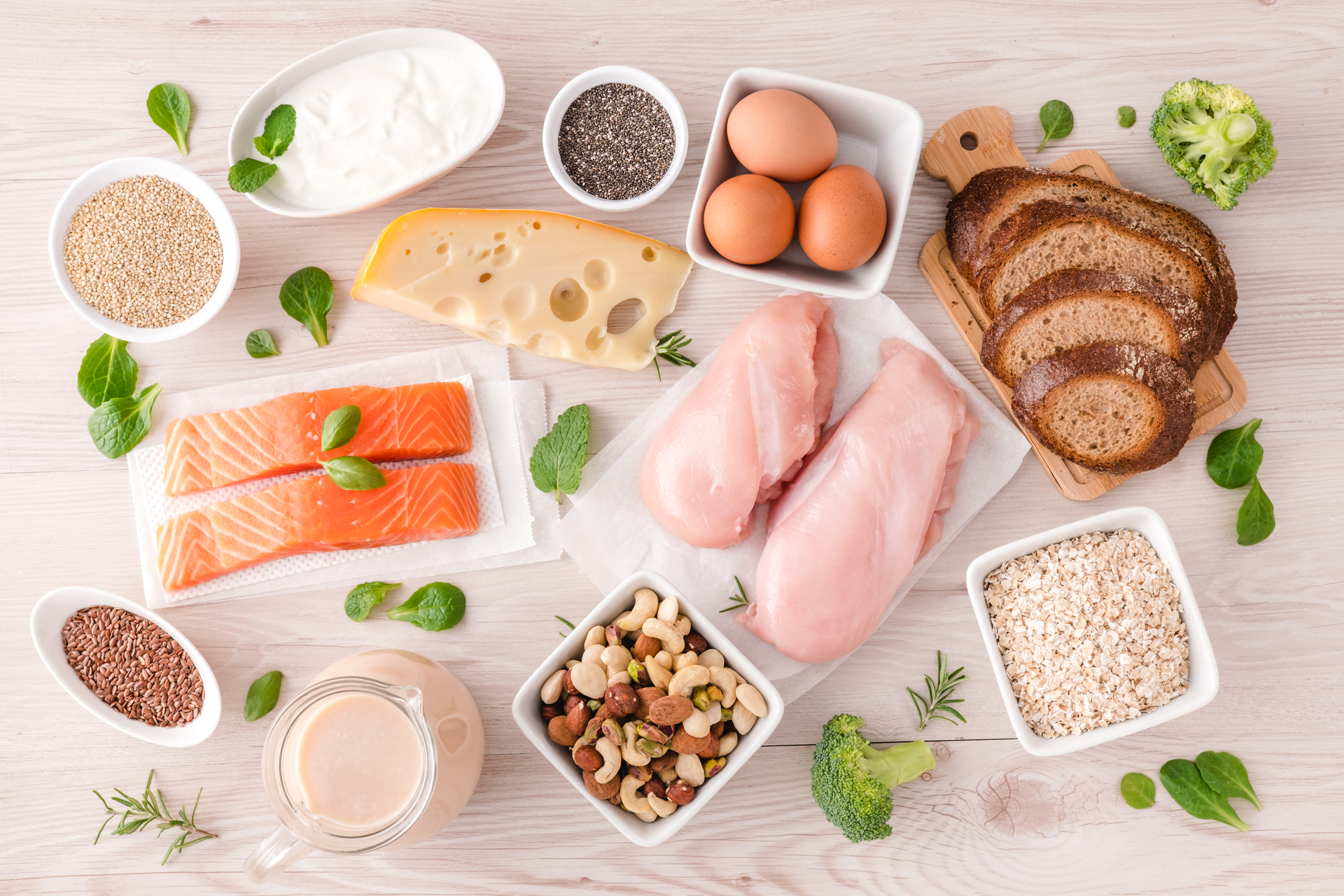
Not all protein sources are equal in terms of amino acid profile, digestibility and practical usability across different meals. The following are among the most useful to build a diet around:
- Animal proteins: chicken breast, turkey, eggs, Greek yoghurt, cottage cheese, salmon, tuna, lean beef, prawns
- Dairy: milk, cheese, whey protein
- Plant-based: tofu, tempeh, edamame, lentils, chickpeas, black beans, seitan
- Convenient options: tinned fish, hard-boiled eggs, protein bars with a reasonable ingredient list
For those looking for another convenient way to increase daily protein intake, there is Rokeby fresh milk which provides 30g of protein per serving. Its low-lactose content may make it a more suitable option for those who are sensitive to lactose but still want to enjoy the benefits of dairy protein. Rich in calcium and available in a variety of delicious flavours, it’s an easy option for busy individuals who want to meet their protein goals without complicated meal preparation.
Food vs. Protein Shakes
Whole food protein sources are preferable to supplements where possible, since they provide fibre, micronutrients and satiety value alongside the protein content. That said, protein shakes are a practical tool for people who struggle to hit daily targets through food alone, have high protein requirements relative to their appetite or need a convenient post-workout option. They work best as a supplement to a well-structured diet—not a replacement for one.
Protein supplements can also play a useful role in supporting different fitness goals, from building muscle to maintaining strength. As a leading sports nutrition brand, Myprotein offers a wide range of products from traditional whey protein and plant-based alternatives to Clear Whey and high-protein snacks. With a variety of flavours, product types and dietary options, there’s something to suit different preferences and training needs. These products can easily be incorporated into a balanced diet alongside consistent training with FITLUC to support overall fitness and recovery.
Protein shakes certainly have their place, but everyday foods like eggs can be just as useful for meeting your protein needs. So, how many eggs should you realistically eat, and does the way you prepare them make a difference? FITLUC’s Lucas explores these questions and more in his feature with 8world News. Watch the full video below:
Common Protein Mistakes to Avoid
Most people who aren’t hitting their protein targets are making one or more of the same errors. The most common ones are:
- Skipping protein at breakfast, which creates a deficit that is hard to recover from later in the day
- Relying too heavily on plant sources without accounting for lower protein density, since plant proteins generally require larger volumes of food to hit the same gram count
- Eating most of the day’s protein in one meal, which is less efficient for muscle protein synthesis than spreading intake across multiple sittings
- Underestimating portion sizes, especially with foods like nuts and cheese that are calorie-dense but lower in protein relative to their volume
- Assuming a protein shake covers all bases, when total daily intake, food quality and distribution are what actually determine outcomes
Build a Training and Nutrition Plan Around Your Goals With FITLUC
Protein is the foundation, but it’s one piece of a larger picture. How much you need, how you distribute it and how it fits into your overall calorie and macronutrient targets all depend on what your body is doing and what you’re asking it to do. Getting that right from the start is much more efficient than adjusting blindly over months.
Whether you’re building muscle, cutting fat or somewhere in between, a PT trial with FITLUC’s experienced trainers can help identify a suitable workout plan along with planned nutrition to help reach your fitness goals.
Alternatively, get in touch with us first to see if we’re the right fit.