Most of us are creatures of habit. We figured when something important eats into the time we set aside for the gym each week. There’s also a real comfort in your favourite gym kit and a familiar pre-lift routine. But what if that comfort is the very thing keeping you comfortably stuck?
From the expensive shoes you loyally wear to the specific warm-up you’ve done for as long as you can remember, your biggest gains might be being sabotaged by your own routine. Today, let’s uncover these hidden hurdles and gain the knowledge to turn your comfort zone (and items) into a launchpad for progress.
Wearing the Wrong Shoes
Your go-to cushioned trainers are fantastic for a run, but they can be a liability for lifting. That soft sole acts like a squishy mattress, absorbing force and creating instability under heavy barbells. This forces your ankles and stabiliser muscles to work overtime, robbing you of power. For compound lifts, a firm, flat sole is your best friend. It creates a stable platform, allowing you to drive force efficiently into the ground and lift more confidently.
Using Poorly Fitted Gloves or Wraps
Gear too tight can restrict blood flow and limit wrist mobility, which is crucial for exercises like front squats and cleans. Excessively thick padding in gloves can create a false sense of security, causing you to over-grip the bar. This often leads to elbow and forearm strain. Your goal is secure support without constriction. Well-fitted wraps or bare hands with a little chalk often provide a better, more natural connection to the bar.
Over-Reliance on Belts
A belt is an amazing tool, but it works best when you know how to brace your core without it. Using a belt for every single lift can prevent your deep core stabilisers from developing their natural strength. Think of the belt as an amplifier. It helps you create more intra-abdominal pressure, but only if you can already brace properly. Save it for your heaviest sets and focus on building that foundational core strength during your lighter work.
Ignoring Mobility Work
Lifting weights through a limited range of motion only reinforces those limitations. Basically, if your ankles or hips are tight, you will never achieve proper depth in your squat without compromising your spine. Poor shoulder mobility can wreck your overhead press and bench arch. Dedicated mobility work is not optional for long term progress. It directly improves your lifting mechanics, reduces injury risk, and allows you to express your full strength potential.
Repeating the Same Routine
You probably know this in the back of your head. If you always lift the same weights for the same reps and sets, your muscles and nervous system have no reason to change. This is the most common reason for progress plateaus. To keep getting stronger, you need to provide a new stimulus. This can mean altering your rep ranges, adjusting your rest periods, or introducing new exercise variations to challenge your body in fresh ways.
Poor Bar Placement and Grip
On squats, a bar placed too high or low can strain your neck, shoulders, or wrists. During deadlifts, a grip that is too wide makes the lift mechanically harder, costing you precious energy. Taking a moment to find the correct “shelf” on your back for the bar or ensuring your deadlift grip is just outside your shins makes a dramatic difference. Proper placement optimises leverage and makes the weight feel significantly lighter.
Neglecting Recovery and Sleep
You do not get stronger in the gym. You get stronger while you rest. During deep sleep, your body releases growth hormone and repairs the micro-tears in your muscle fibres caused by training. Consistently poor sleep elevates cortisol, a stress hormone that encourages muscle breakdown and fat storage. Prioritising seven to nine hours of quality sleep is one of the most powerful things you can do for your recovery and strength gains.
Find out how sleep can make or break your workouts.
Lifting With Improper Tempo
Controlling the weight on the way down is just as important as pushing it up. Dropping into the bottom of a squat or lowering a bench press too quickly bypasses a huge portion of the muscle building tension. It also places excessive stress on your joints and ligaments. A controlled, deliberate tempo, especially during the eccentric or lowering phase, builds stronger connective tissue and creates more muscle growth for every single rep. That’s why some people grunt when they lift—the controlled effort helps keep your core tight and your spine safe.
Skipping Technique Refinement
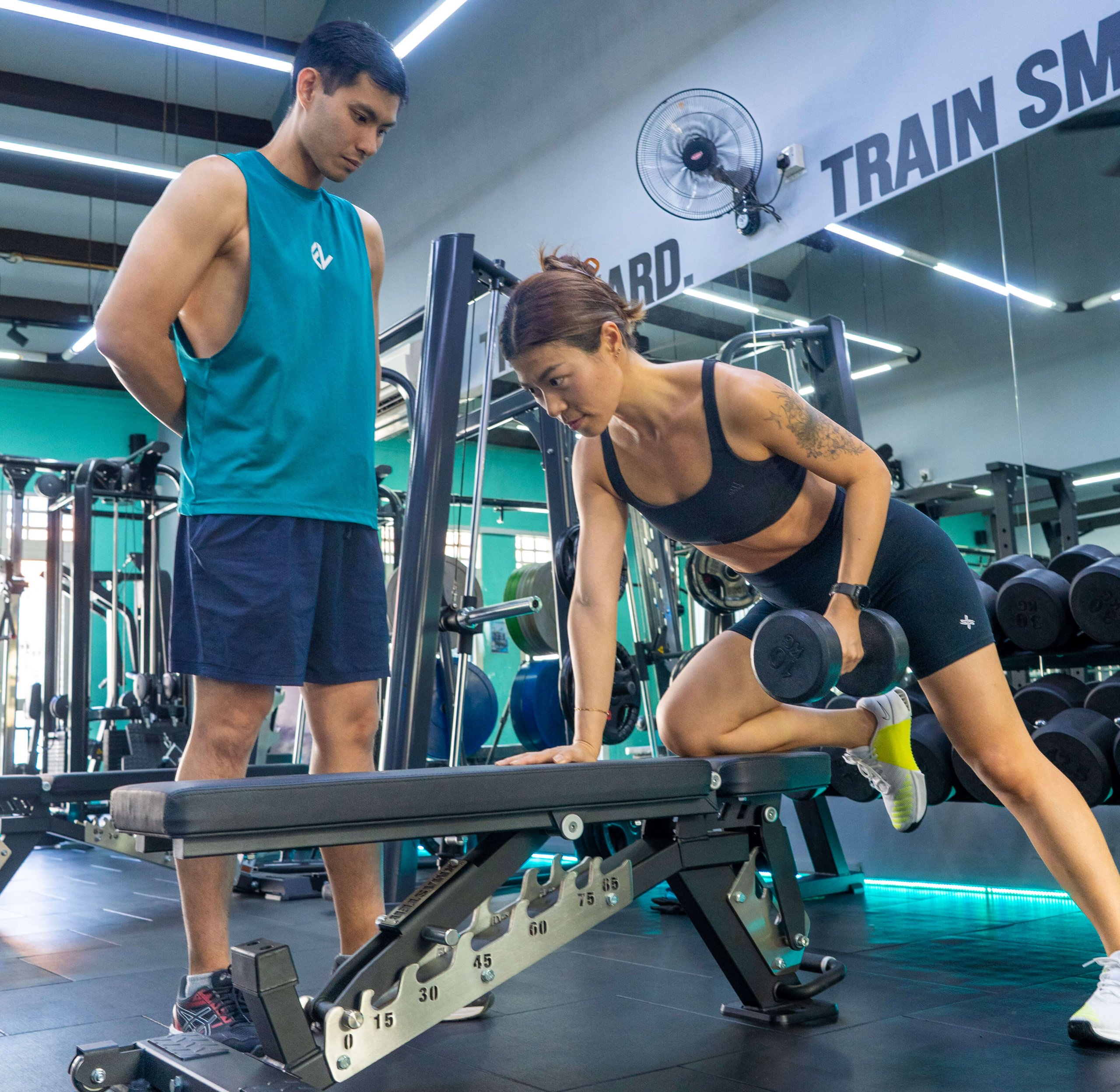
It is easy to let your form slip as the weight gets heavier. A slight back rounding on a deadlift or a shifted elbow flare during a bench press might not feel wrong at first. However, these small inefficiencies become major problems under maximal load. Regularly filming your sets or getting a knowledgeable coach to watch you lift can identify these subtle flaws before they become bad habits or lead to an injury.
How to Make Sure You Aren’t Hurting Yourself
Regular Form Checks
Schedule a technique session every few weeks. Use your phone to film your heavy sets from the side and front. Watching the playback often reveals small form breakdowns you cannot feel in the moment, allowing you to correct them early.
Listen to Your Body
Learn the difference between good muscle fatigue and bad joint pain. A sharp, shooting pain or a persistent ache in a joint is a clear signal to stop and reassess. Pushing through pain is a surefire way to turn a small niggle into a long term injury.
Gradual Progression
Chasing a new personal best every week is a recipe for burnout. Follow a structured plan that slowly increases weight or reps over time. This methodical approach allows your body to adapt safely, and builds resilient strength without overwhelming your system.
Warm Up Properly
A good warm up prepares your body for the specific demands of your main lifts. Start with five to ten minutes of light cardio, then perform dynamic stretches and gradually build up to your working weight with lighter sets of your planned exercises.
Include Mobility and Stretching
Spend ten minutes after your workout, when your muscles are warm, to work on your mobility. Focus on areas crucial for lifting, like your ankles, hips, thoracic spine, and shoulders. Consistent effort here will pay off in your improved positioning and comfort under the bar.
Balanced Programming
Ensure your training plan targets all major muscle groups, including opposing muscle pairs. Do not just train your “mirror muscles”. A strong back balances a strong chest, and strong hamstrings balance strong quads. This balance is fundamental for healthy joints and preventing injuries.
Use Spotters When Needed
Never be too proud to ask for a spot, especially on exercises like the bench press or squat where failure can be dangerous. A good spotter provides the confidence to attempt a challenging rep, knowing you have a safety net if you cannot complete it.
Pay Attention to Recovery
View your recovery with the same importance as your training. This means prioritising quality sleep, managing life stress, staying hydrated, and fuelling your body with nutritious food. These factors directly influence how well you perform and adapt from your sessions.
Other Questions About Gear and Routine
Do I need every type of lifting gear?
Absolutely not. Start with the basics: good footwear and perhaps some chalk for grip. Introduce other gear like belts or wrist wraps only once you have built a solid strength base and understand the specific purpose each item serves for your heavier lifts.
Can I lift heavy every day?
Lifting near your maximum every session will quickly lead to overtraining and injury. Your central nervous system and muscles need time to recover. Effective programmes strategically alternate heavy days with lighter technique work or active recovery to allow for full adaptation.
How often should I change my routine?
A good rule of thumb is to make a significant change every 8 to 12 weeks, or when you stop making progress. You can make small weekly adjustments, like varying your rep ranges, while keeping the main exercises the same for a longer training block.
Will wearing minimalist shoes hurt my knees?
When introduced gradually, minimalist shoes can strengthen the muscles in your feet and ankles. The key is a slow transition. Suddenly switching to zero-drop shoes for all your lifts could strain your calves or Achilles tendon if your body is not used to it.
How do I know if my form is correct?
The best indicators are a lack of pain and consistent progress. However, what feels right is not always correct. For true confidence, seek feedback from a qualified trainer or use video analysis to compare your lifts to established, safe lifting models.
How FITLUC Helps You Lift Smarter and Safer
Your gear and routine should be the foundation of your strength, not the ceiling on it. By looking critically at your shoes, your schedule, and even your sleep, you’re not starting from scratch. Instead, you’re building smarter on the effort you’ve already invested.
At FITLUC, we specialise in turning these hidden hurdles into your greatest advantages. Let us help you audit your habits and craft a personalised plan that turns your hard work into the results you deserve.
Stop letting your gear hold you back. Contact FITLUC to book a session with one of the best personal trainers in Singapore, who will fine-tune what’s been working for you.